Monday, May 20, 2013

Invasive Plant Blog

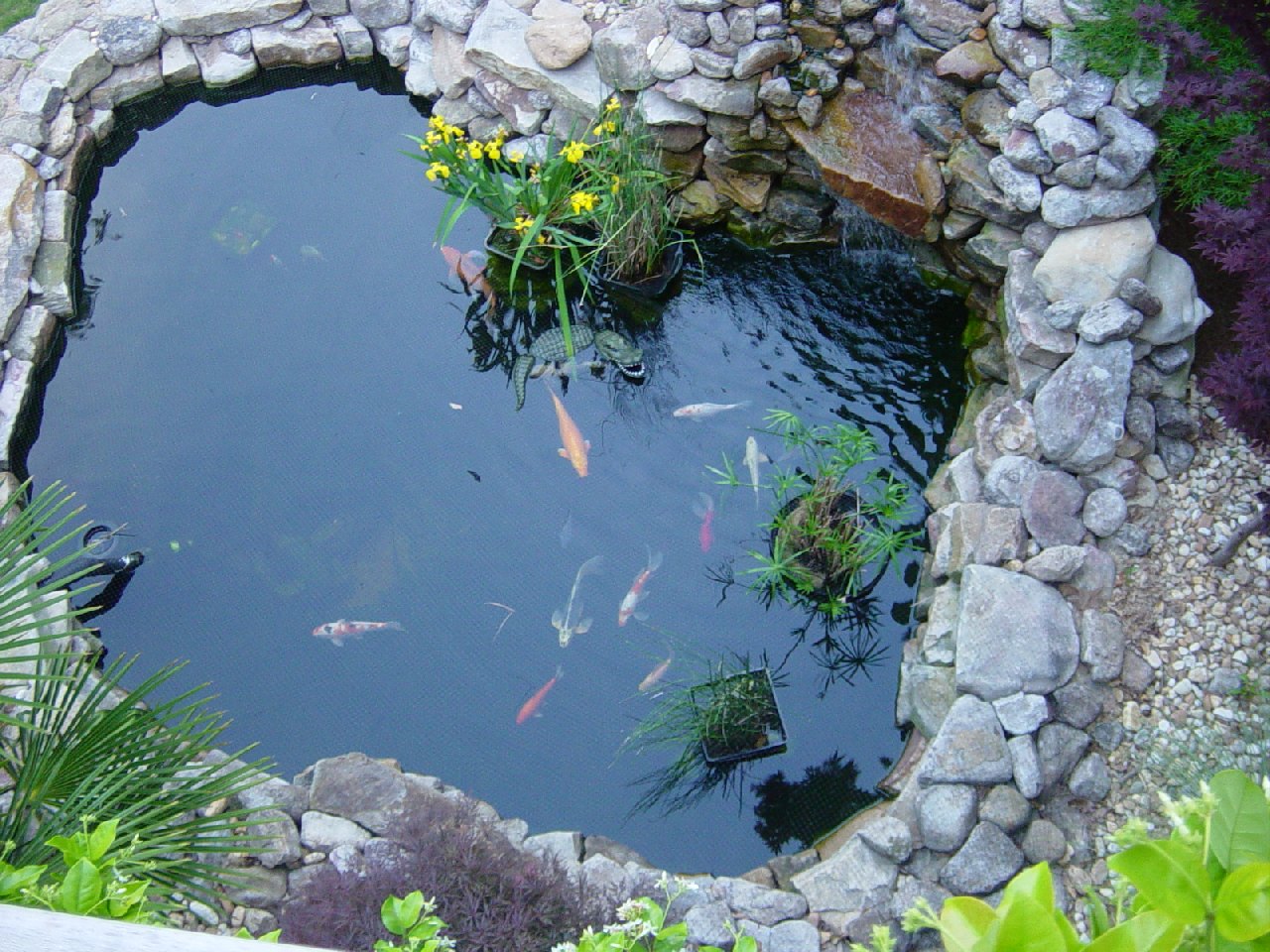
Scientific Name: Alternanthera philoxeroides
Common Name: Alligator Weed
Description: An aquatic weed with a white flower growing on it.
Reproduction: Through seeds and broken plants
Problems Caused: can reduce the flow of water, prevent the penetration of light and prevent the oxygenation of the water
Prevention: Unleash the Alligator Weed Flea Beetle to wreck havoc on the Alligator weeeds.
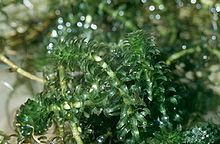

Scientific Name: Hydrilla verticillata
Common Name: Hydrilla
Description: Plant with upward sloped leaves that grows up to 1 inch a day
Reproduction: Spreads through tubers, turions, stolons, and fragments
Problems Caused: Shades out desirable native vegetation, impedes navigation of boats
Prevention: Herbicide


Scientific Name: Myriophyllum spicatum
Common Name: Eurasian Watermilfoil
Description: submerged aquatic plant, and grows in still or slow-moving water.
Reproduction: Spreads by seeds, fragments and stolens
Problems Caused: can create dense mats that interfere with recreational activity
Prevention: use of the water veneer moth to eat the plant
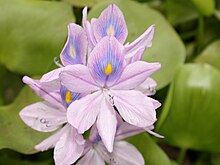

Scientific Name: Eichhornia crassipes
Common Name: Water Hyacinth
Description: Weed with a purple flower
Reproduction: Reproduces by daughter plants and forms thousands of seeds
Problems Caused: Uptakes nutrients in the water and releases H ions which acidify the water
Prevention: aquatic weed harvester, herbicides and insects
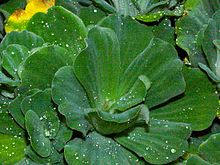


Scientific Name: Pistia stratiotes
Common Name: Water Lettuce
Description: looks like lettuce but grows on water
Reproduction: Reproduces through daughter plants
Problems Caused: Forms large mats that can affect habitat and impede navigation
Prevention: South American Weevil and the Thailand Moth


Scientific Name: Slavinia molesta
Common Name: Salvinia
Description: Root hairs on the leaves resemble “egg beaters” structure.
Reproduction: Forms dense mats, spreading rapidly by buds
Problems Caused: Reduces oxygen exchange and negatively effects water quality and habitat
Prevention: Herbicides


Scientific Name: Lythrum salicaria
Common Name: Purple Loosestrife
Description: looks like a purple blubeonnet that grows in water
Reproduction: fruit containing seeds
Problems Caused: Replaces native vegetation
Prevention: beetles


Thursday, May 2, 2013

Amphibians

Toads and Frogs may look very similar, however, they are different in many ways. One way the frog and toad are different is their skin. Toads have very bumpy and dry skin while frogs have smooth and oily skin.
Another difference between frogs and toads is the fact that frogs hop everywhere and toads walk. Amphibians are considered to be a good indicator of health in an ecosystem because the ecosystem must be healthy in order for the amphibious population to remain high. There has been a decease in the population of amphibians because of the changes in the ozone which allow more UV rays through which harm amphibian's skin. To prevent this, we must try to cut down on the many ways we are destroying the ozone layer.

Pond Assessment

Step 1: Observation
                   Look for an algae bloom, foam/oil, and dead things
Step 2: Take water sample
                   Look at the types of algae/insects to see if the pond water is polluted or not
Step 3: Water quality testing
                   Test water's ammonia, nitrate, temp/, conductivity, nitrite and oxygen levels
Step 4: Chemical Panel
                   Use a chemical panel to run any further tests on the water
                   

Thursday, April 11, 2013

Pond and River Video

1. 1/3 of earths freshwater is in the amazon/
2. 22 species of crocodiles exist.
3. Anacondas can get as heavy as a car and 3x the length.
4.King Fisher babies eat 18 fish a day.
5.All swans in Britain belong to the Queen.
6.All toads return to their place of birth to reproduce.
7.3 million people die from mosquitoes in Africa alone.
8.Hippos are the largest river mammal.
9.Beavers only mammal besides humans to interfere with rivers.
10.Big-headed turtles can climb water falls.

Lentic System

Lake
Pond
Playa Lake
Swamp
Marsh
Bog

Resivior

Observations

A good observation is an observation that is very detailed and that explains a situation in such a way that you would not have had to have been there to understand what happened. After observing my fish for 5 minutes i have observed that he is extremely shy. For the entire 5 minutes i was watching, my fish hid under his tree stump. Observation is an important pert of scientific inquiry because it tells the people reading your paper exactly what happened and how it happened.

Density and Temperature

This picture perfectly shows the affect temperature has on density. The red water is colder, thus more dense. Because the Red water is more dense, the hot, clear water on top of it will not mix with it.If the two jars were reversed, the cold water would seep down into the hot water and mix. This helps my understanding of the aquatic ecosystem because knowing  the fact that hot water stays on top helps me understand why fish live in the places they do.