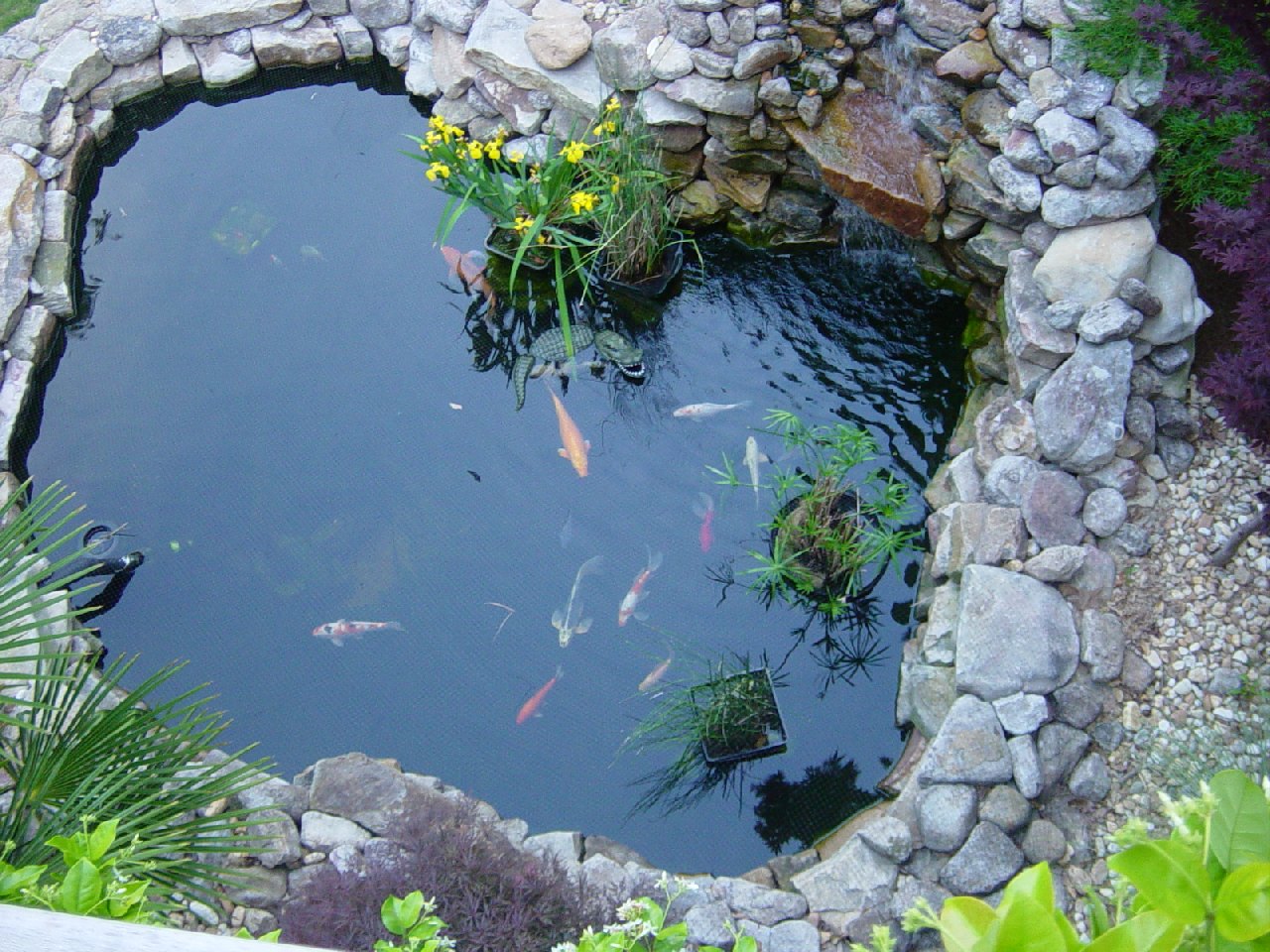
Common Name: Alligator Weed
Description: An aquatic weed with a white flower growing on it.
Reproduction: Through seeds and broken plants
Problems Caused: can reduce the flow of water, prevent the penetration of light and prevent the oxygenation of the water
Prevention: Unleash the Alligator Weed Flea Beetle to wreck havoc on the Alligator weeeds.
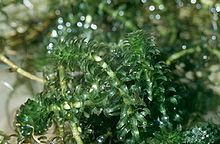
Scientific Name: Hydrilla verticillata
Common Name: Hydrilla
Description: Plant with upward sloped leaves that grows up to 1 inch a day
Reproduction: Spreads through tubers, turions, stolons, and fragments
Problems Caused: Shades out desirable native vegetation, impedes navigation of boats
Prevention: Herbicide

Scientific Name: Myriophyllum spicatum
Common Name: Eurasian Watermilfoil
Description: submerged aquatic plant, and grows in still or slow-moving water.
Reproduction: Spreads by seeds, fragments and stolens
Problems Caused: can create dense mats that interfere with recreational activity
Prevention: use of the water veneer moth to eat the plant
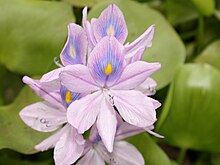
Scientific Name: Eichhornia crassipes
Common Name: Water Hyacinth
Description: Weed with a purple flower
Reproduction: Reproduces by daughter plants and forms thousands of seeds
Problems Caused: Uptakes nutrients in the water and releases H ions which acidify the water
Prevention: aquatic weed harvester, herbicides and insects
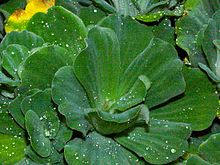
Scientific Name: Pistia stratiotes
Common Name: Water Lettuce
Description: looks like lettuce but grows on water
Reproduction: Reproduces through daughter plants
Problems Caused: Forms large mats that can affect habitat and impede navigation
Prevention: South American Weevil and the Thailand Moth

Scientific Name: Slavinia molesta
Common Name: Salvinia
Description: Root hairs on the leaves resemble “egg beaters” structure.
Reproduction: Forms dense mats, spreading rapidly by buds
Problems Caused: Reduces oxygen exchange and negatively effects water quality and habitat
Prevention: Herbicides

Scientific Name: Lythrum salicaria
Common Name: Purple Loosestrife
Description: looks like a purple blubeonnet that grows in water
Reproduction: fruit containing seeds
Problems Caused: Replaces native vegetation
Prevention: beetles